Wondering what insects chickens can eat? Chickens are natural omnivores and enthusiastic foragers, and the right insects make a protein- and calcium-rich treat that supports healthy feathers, stronger eggshells and happier birds. Below are seven safe insects for chickens, why each one is good for your flock, and exactly how to offer them.
Short answer: Chickens can safely eat earthworms, mealworms, crickets and grasshoppers, black soldier fly larvae (calciworms), ants, beetles and woodlice. Always source insects from pesticide-free areas, offer them as a treat (under 10% of the daily diet), and avoid fire ants and anything exposed to chemicals.
Allowing chickens to forage for insects does more than meet their nutritional needs — it boosts their mental well-being too. Scratching through leaves or compost to uncover tasty treats mimics natural behaviour, keeping birds active, engaged and less prone to boredom or feather-pecking. For more on building a balanced diet around treats like these, see our guides on what to feed your hens for high-quality eggs and the different types of feed for your chickens.
Tip: Avoid feeding insects from a dish or bowl. Instead, scatter them in piles of straw, leaves or compost to encourage natural foraging and enrichment.

Here are seven safe and beneficial insects you can add to your flock's diet:
1. Earthworms — protein-rich and packed with healthy fats

Earthworms are a top natural indicator of soil health. Abundant in gardens, they're often unearthed when digging — and chickens will come running!
-
Benefit: Rich in protein, lysine and long-chain fatty acids, which pass into eggs and enhance their nutritional value.
-
How to offer: Let hens dig them up while free-ranging, or collect them from compost bins, under plant pots and in garden soil. You can also start a wormery to farm your own.
2. Mealworms — a high-protein favourite for feathers and eggs

A firm favourite among chickens, mealworms are high in protein and easy to farm at home. Yes — chickens can eat mealworms, and most hens find them irresistible.
-
Benefit: Promote feather health (especially during the moult) and support egg production.
-
How to offer: Live mealworms are best (available at pet or bait stores). In the UK, avoid dried mealworms, as importing them to feed to farmed animals is restricted. Offer a small handful as an occasional treat rather than a daily staple.
3. Crickets and Grasshoppers — easy-to-digest energy boosters

These protein-packed insects are easy to digest and especially loved by free-ranging chickens.
-
Benefit: Boost energy, immunity and overall vitality.
-
How to offer: Hens catch them naturally in meadows or untreated grasslands. You can also buy live ones at reptile pet stores — though they can be pricey.
4. Black Soldier Fly Larvae (Calciworms) — the calcium champion
Also known as calciworms, these larvae are incredibly rich in calcium — around 23 times more than mealworms — making them one of the best bugs for chickens that are laying.

-
Benefit: Improve eggshell strength, support bone health and boost omega-3 and omega-6 content in eggs.
-
How to offer: Buy from insect-farming suppliers, or try raising your own. Pair them with a calcium source like homemade chicken feed from grains, seeds and natural feeds for a well-rounded diet.
5. Ants — small but mighty protein and fat

Small but mighty, ants are a great source of protein and healthy fats for chickens.
-
Benefit: Encourage natural foraging while offering protein and fat.
-
Caution: Never let hens eat fire ants — their stings are harmful to chickens.
-
How to offer: Easily found in most gardens or yards while free-ranging.
6. Beetles — protein, calcium and natural pest control
Beetles like June bugs and darkling beetles are nutritious and often already present in farm and garden environments.

-
Benefit: Provide protein and calcium from their exoskeletons and help control unwanted insect populations.
-
Caution: Make sure beetles haven't been exposed to pesticides or chemicals.
7. Woodlice — a handy calcium-rich garden snack
Often overlooked, woodlice (also called pillbugs) hide under logs, stones and leaf litter. Their hard shells make them another natural source of calcium that hens happily hunt down.
-
Benefit: Their calcium-rich exoskeletons support strong eggshells, and hunting for them keeps hens busy and entertained.
-
How to offer: Let chickens forage for them under garden debris, or turn over a log or stone and watch the flock pounce.
Insects and foods to avoid — and how much is too much
A few simple rules keep insect treats safe:
-
Avoid pesticide exposure: Never offer insects collected from areas treated with pesticides, slug pellets or other chemicals.
-
Skip fire ants and anything that bites or stings: These can harm your birds.
-
Be cautious with slugs and snails: Chickens often eat them, but they can carry parasites — only let hens forage these in clean, healthy garden areas.
-
Keep treats moderate: Insects should supplement — not replace — a balanced poultry feed. As a rule of thumb, treats of all kinds should make up no more than 10% of the daily diet, with the rest coming from a complete feed.
If you ever notice signs of illness after a dietary change, speak to your vet or a qualified poultry specialist.
Frequently asked questions
What insects can chickens eat safely?
Chickens can safely eat earthworms, mealworms, crickets, grasshoppers, black soldier fly larvae (calciworms), ants, beetles and woodlice. All of these provide protein, and several add valuable calcium too. Just make sure they come from pesticide-free areas.
Can chickens eat mealworms?
Yes — chickens love mealworms, which are high in protein and great for feather health during the moult. Offer them as an occasional treat rather than a daily staple, and use live mealworms where possible.
What are the best bugs for chickens that are laying eggs?
For laying hens, black soldier fly larvae (calciworms) are among the best, thanks to their very high calcium content, which supports strong eggshells. Earthworms and beetles are great all-rounders for protein and overall health.
How often should I feed insects to my chickens?
Treat insects as a supplement, not a meal. Keep all treats to under 10% of your flock's daily diet, with the bulk coming from a complete, balanced feed.
Turn foraging into everyday enrichment
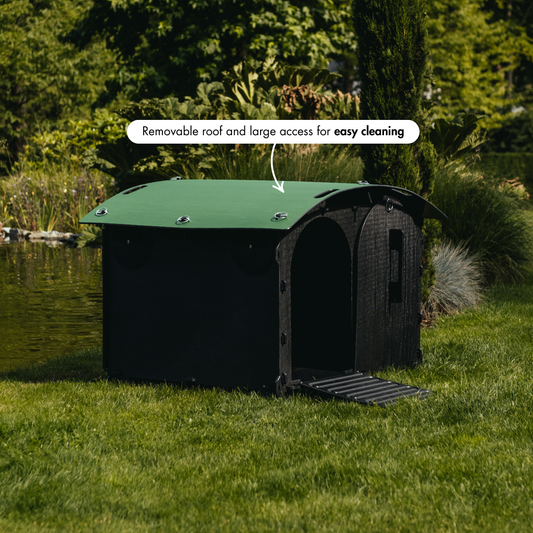
Insects are one of the easiest ways to combine nutrition with natural enrichment — and a secure, easy-clean coop and run give your hens the safe space they need to forage all day. Explore our recycled-plastic chicken coops, designed to keep your flock comfortable, healthy and protected while they hunt for tasty treats. For more feeding inspiration, browse our guide to feeding hens for high-quality eggs.